What Is a Good Alternative to Infinite Scrolling at Night?
In today’s mobile-first world, winding down at night often means grabbing your smartphone and scrolling endlessly through feeds. The allure of infinite scrolling—a feature that loads more content as you swipe—creates an almost hypnotic loop of engagement. However, there’s growing awareness that at night, infinite scrolling might not be the best approach for maintaining mental wellness, managing fragmented free time, and actually relaxing before sleep.
As a former mobile UX copywriter turned lifestyle-tech columnist, I’ve spent over a decade observing how people use downtime like queues, lunch breaks, or those few minutes waiting for deliveries. What I’ve come to appreciate is that alternative approaches to infinite scrolling can offer better rest, curiosity, and engagement during these micro-breaks. Companies like MrQ, The Washington Post, and TodayDineHours.com show us different models that respect start-stop convenience on smartphones.
The Problems with Infinite Scrolling at Night
Infinite scrolling is designed to keep you engaged indefinitely by loading new items continuously. While this can be ideal in some situations, at night it comes with several drawbacks:
- Difficulty stopping: Endless content makes it hard to put your phone down.
- Blue light exposure: Increased screen time at night disrupts sleep cycles.
- Passive consumption: Mindlessly scrolling often replaces meaningful rest.
- Information overload: Too much content causes fatigue and stress.
Addressing these problems requires a shift towards intentional, short-burst entertainment or consumption that fits with the fragmented nature of late-night breaks.
Micro-Breaks and Fragmented Free Time
In our busy lives, late evening often consists of micro-breaks—small chunks of time scattered between activities or before bed. These short intervals call for pre-planned, bite-sized content rather than open-ended browsing.

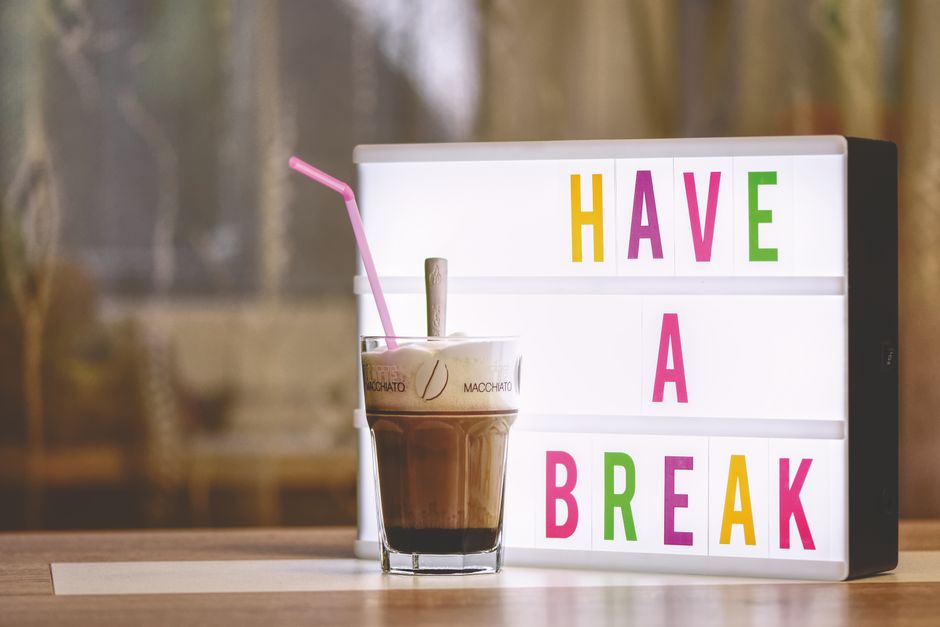
For example, reading a short read article from The Washington Post or quickly checking restaurant hours on TodayDineHours.com fits perfectly into a 5 to 10-minute window. Unlike infinite scrolling, these predefined experiences respect your time by setting natural stopping points.
Start-Stop Convenience on Smartphones
Smartphones encourage start-stop usage—users pick up their device, engage for a moment, then set it down. Infinite scrolling’s endless flow disrupts this because it encourages prolonged engagement without a clear stopping cue.
Platforms like MrQ, a regulated gaming platform, offer an alternative by designing slot titles for both desktop and mobile that promote gameplay in manageable rounds or sessions. Many slots are designed around “one game round” play, which can last just a few minutes, making them ideal for micro-breaks and helping players avoid excessive playtime.
This concept extends beyond gaming. Content providers should aim to offer experiences with logical endpoints—a single article, a video under 5 minutes, or a playlist with a clear start and finish.
Passive vs Interactive Short Entertainment
Not all downtime is the same; sometimes you want to zone out passively, and other times you want brief but engaging interaction. Infinite scrolling leans heavily on passive consumption, which can leave you feeling unfulfilled.
Interactive short entertainment, such as casual mobile gaming on regulated platforms like MrQ, provides a better alternative. Interactive sessions, like a quick game round, offer mental stimulation while being time-bound.
- Passive: Reading a short article, listening to a brief playlist, watching a 2-minute video.
- Interactive: Playing a casual game round, participating in a quick quiz, using apps that encourage creativity for a few minutes.
The key is balance. For example, you might start with a short read on The Washington Post and then wind down with a regulated casual game round on MrQ slot titles designed for mobile.
Setting a Timer to Regulate Engagement
One effective strategy for avoiding the infinite scroll trap is to set a timer. Apps and platforms that build in timers or predefined session lengths help users manage their screen time and preserve their mental well-being.
Many regulated gaming platforms encourage this approach, prompting players to take breaks after each game round. Similarly, consuming content with a predefined playlist or curated short reads offers natural stopping points.
Best Practices for Nighttime Mobile Engagement
Practice Description Example Company or Tool Predefined Playlist Use curated playlists that have a fixed duration to avoid endless browsing. TodayDineHours.com music recommendations or podcasts Short Reads Select articles or news bites designed to be read in under 5 minutes at night. The Washington Post One Game Round Play casual mobile games with brief, defined sessions to keep breaks enjoyable but short. MrQ regulated gaming slots Set a Timer Use app features or smartphone timers to limit session length and encourage healthy habits. Built-in smartphone timer or gaming platform promptsAvoiding Common Content Mistakes: Mentioning Prices
While discussing alternative mobile entertainment, one frequent mistake is neglecting to mention prices or cost transparency. Whether it’s a subscription to a premium news service like The Washington Post or in-app purchases on regulated gaming platforms like MrQ, users benefit from knowing what currency they’re spending in advance.
If you’re promoting short reads, playlists, or games as alternatives to infinite scrolling, clearly state pricing—whether it’s free, freemium, or subscription-based—to build trust and foster informed consumption.
Conclusion: Choose Quality Over Quantity for Nighttime Mobile Use
Infinite scrolling thrives on quantity—endless, undefined content that keeps you hooked. But at night, when your goal should be restful ease and controlled https://todaydinehours.com/short-form-entertainment-fits-everyday-routines/ engagement, quality trumps quantity. By focusing on short reads, predefined playlists, and one game rounds offered by companies like The Washington Post, TodayDineHours.com, and MrQ, you reclaim fragmented free time and micro-breaks for meaningful relaxation.
Remember to set a timer, be intentional, and prefer interactive or passively satisfying content with clear stopping points. In doing so, you’ll avoid the mental fatigue of infinite scrolling and enjoy healthier digital habits that respect your nighttime routine.