What Is Real-Time Graphics and Why Does Film Care About It Now?
Film and television production in British Columbia, and globally, stand at a fascinating crossroads. The traditional workflows that have driven Hollywood and Vancouver’s thriving industry for decades are evolving rapidly, fueled by advances in real-time graphics—a technology once limited to video games but now transforming how stories are visualized and captured on set. This shift is not just a passing trend; it is a fundamental change in how digitization is rewriting the rules of filmmaking, animation, and visual effects (VFX).
Defining Real-Time Graphics
Real-time graphics describes computer-generated imagery (CGI) that is created and rendered instantly, allowing users to see changes immediately as they interact with the digital content. Unlike traditional CGI that requires lengthy rendering times—sometimes hours per frame—real-time graphics deliver high-quality visuals on the fly, making immediate feedback possible.
This capability has long powered video games, where player actions dictate what appears on-screen moment to moment. The recent breakthrough, however, is bringing this instantaneous rendering power into film and TV workflows, a move that promises to accelerate creativity, reduce costs, and open new doors for storytelling innovation.
Why Film Cares About Real-Time Graphics Now
For years, post-production VFX and animation involved time-consuming processes, from green screen compositing to waiting for renders in VFX houses. However, the rise of virtual production and real-time visualization tools, built on game-tech platforms like Unreal Engine and Unity, have changed the game. BC’s vibrant ecosystem of VFX studios, animation houses, and game developers has positioned the province as a leader in these hybrid disciplines.
Virtual Production: Bringing Digital and Physical Worlds Together
Virtual production refers to the use of real-time graphics tools to integrate live-action footage with computer-generated environments and assets during filming, rather than in post-production. This means directors and cinematographers can see and adjust CGI elements live on set via LED volume walls or augmented reality interfaces.
- On-set visualization: Immediate feedback lets directors and actors immerse themselves in digital settings, improving performances and shot composition.
- Creative agility: Changes to lighting, backgrounds, or elements can be made instantly without expensive reshoots or delays.
- Cost efficiency: Minimizing extensive post-production saves time and money while increasing quality control.
BC productions such as those shooting at Vancouver facilities utilize these techniques to streamline complex scenes, from sci-fi epics to fantasy series. The integration of game tech behind virtual production feeds the digitization of film workflows in ways not previously possible.
Real-Time Visualization: Shaping Projects from Concept to Screen
Real-time visualization refers to the ability of filmmakers, animators, and VFX artists to view and manipulate assets and scenes instantly during pre-production and production, instead of awaiting slow renders. This includes:
- Previs and postvis: Predictive and iterative scene planning with precise digital doubles and environments
- Live asset editing: Adjusting lighting, textures, and camera movement on the fly
- Collaborative remote work: Teams can interact with shared scenes in real time across distance
This empowers creative teams to iterate faster and make informed decisions, cutting down the risk of expensive post-production surprises. Studios in Vancouver leverage real-time visualization to maintain a competitive edge, integrating animation and VFX pipelines with virtual production methods seamlessly.
Game Tech: The Bridge Between Gaming and Film
BC is not just a film and TV production hub but also home to a robust vancouverguardian.com game development industry. Game engines—initially built to produce interactive worlds at rapid speed—are at the heart of real-time graphics in film and TV.
By tapping into this technology, film studios benefit from decades of refinement in rendering performance, physics simulation, and asset management. The crossover means:
- Shared talent pools: Artists, programmers, and technical directors migrate across gaming and film sectors
- Interoperable tools and pipelines: Common platforms streamline asset usage and reduce duplication
- Innovation flow: Game tech advances (like ray tracing and AI-assisted animation) quickly filter into filmmaking
This blending blurs traditional lines between animation, live-action, and interactive media, underscoring BC’s position as a versatile creative industry hotspot.
BC’s Creative Industries: Interactive Media Meets Film and TV
British Columbia’s economy benefits significantly from its creative industries, including film, television, visual effects, animation, and game development. Real-time graphics serve as a bridge linking these sectors, fostering collaboration and economic growth.
Industry Sector Examples of Real-Time Graphics Usage Economic Role in BC Film & TV Production Virtual production LED walls, on-set visualization, in-camera VFX Thousands of jobs, billions in annual spending Visual Effects & Animation Real-time asset review, iterative lighting & animation adjustments High-technology, export-oriented services, R&D investment Game Development Game engines powering film pipelines, shared toolsets Growing employment, IP creation, cross-sector innovationAs interactive digital media rises in importance, BC’s ability to leverage real-time graphics advances consolidates the province’s competitive advantage globally.
What the Future Holds: Real-Time Graphics as a Creative Standard
The digitization of film and TV workflows accelerated by real-time graphics is not a fad but the foundation of future production models. We can expect:
- Greater integration of interactive and linear media: Storytelling mediums will continue to blend, with audience engagement across screens and platforms.
- Evolving crew roles: Traditional departments will collaborate more closely with game engine specialists, software developers, and VFX artists fluent in real-time tools.
- Improved environmental sustainability: Virtual production reduces physical travel and materials, producing greener filming practices.
- Expanded creative opportunities: Independent creators and emerging studios will have access to affordable, powerful real-time tools, leveling the playing field.
For Vancouver and BC to maintain their industry strength, investments in training and infrastructure around real-time graphics and virtual production are essential.
Conclusion
In brief, real-time graphics is redefining how film and TV are created by enabling virtual production workflows and immediate on-set visualization. Powered by game-tech platforms and fueled by BC’s rich ecosystem of creatives and technologists, these innovations are more than bells and whistles—they represent essential competitive advantages in a digitized entertainment landscape.
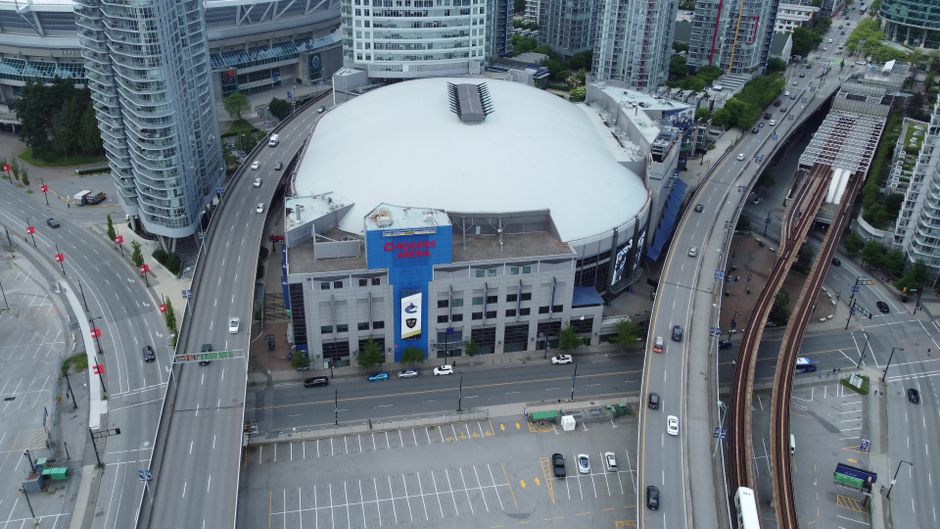
As film embraces tools that once belonged exclusively to gaming, boundaries between media forms blur, fostering new possibilities for storytelling and production efficiency. For British Columbia, this convergence not only boosts the local creative economy but also cements the region’s role as a global leader at the nexus of film, animation, VFX, and interactive media.
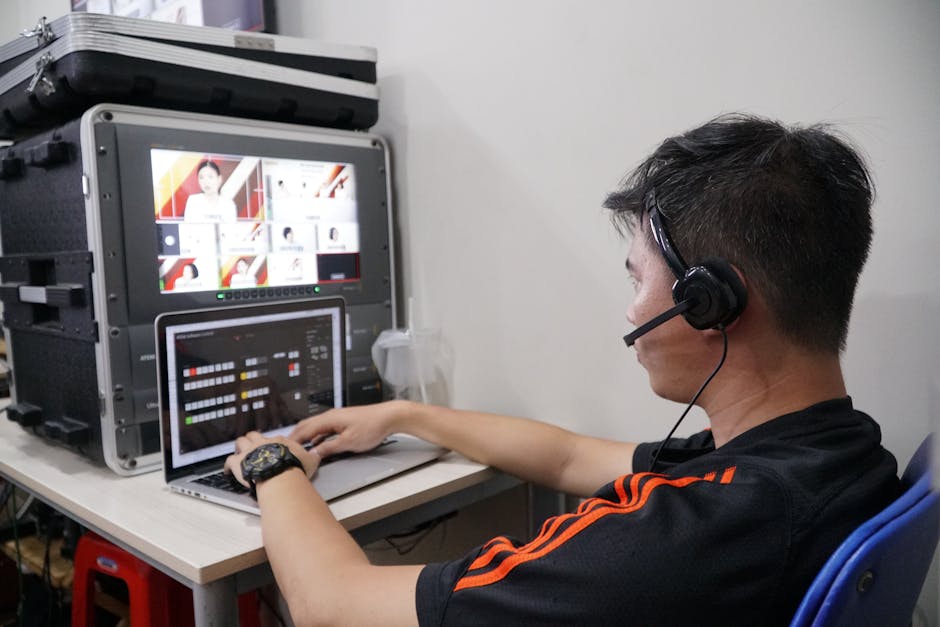
Whether you’re a filmmaker, VFX artist, game developer, or industry watcher, understanding the rise of real-time graphics is key to navigating the future of storytelling.